 English
Ever wondered how those stunning, larger-than-life video displays at concerts or corporate events in Livonia are set up? You're not alone. The demand for LED screen rental Livonia services is booming, whether it's for a backyard movie night, a major product launch, or a community festival. But what does it really take to rent a screen that doesn't just work but truly wows your audience? Let's talk about the real deal behind mobile LED screen rentals and how to make your event a visual success.
I think the first thing that crosses most people's minds is, "How much is this going to cost?" It's not a simple question, honestly. The price isn't just pulled out of thin air. From what I've seen, several things come into play. The size of the LED screen is a huge factor—bigger screens need more materials and tech, so they cost more . Then there's the quality of the display. A high-brightness, high-resolution screen with better color reproduction will understandably be priced higher than a basic model . And don't forget the rental duration; sometimes, renting for a longer period can actually bring down the daily cost, which is a neat trick if your event spans multiple days . It's a balancing act between what you need and what your budget allows.
Now, Livonia has a few local options, which is great for us. There's a company called Lit LED Solutions right here in town, over on Farmington Road . They talk about their compact mobile LED screen being versatile for all sorts of events, big or small. Then you've got bigger players like FunFlicks® that service the whole Detroit area, including Livonia. They offer everything from basic projector screens to full-blown LED video walls for crowds of all sizes . It's worth checking out a few places to see who gets what you're trying to do.
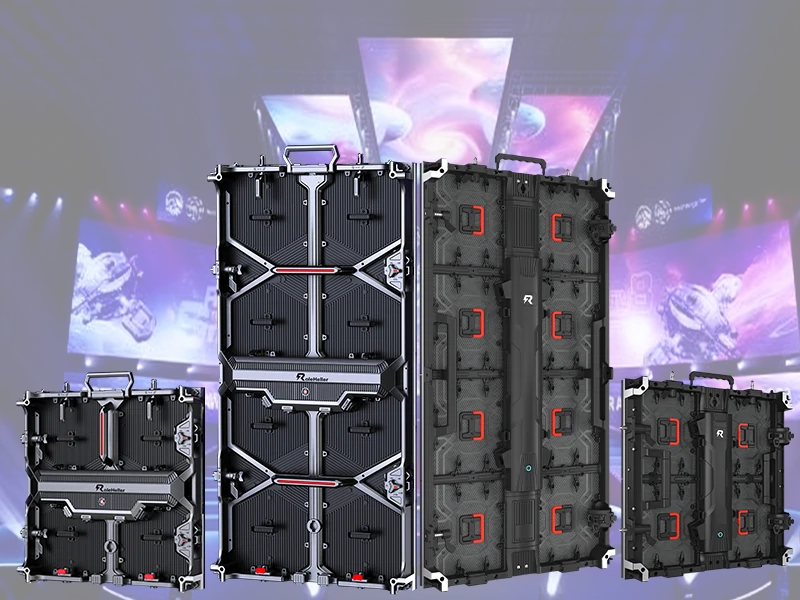
So, what makes these rental screens special anyway? I used to think an LED screen was just an LED screen. Turns out, rental-specific models are built differently. They're designed to be tough. We're talking die-cast aluminum cabinets that are super light—like, 7kg light—so one person can carry them . They have these quick-lock mechanisms that let you snap panels together in seconds, which is a lifesaver when you're on a tight setup schedule . For outdoor events, this is non-negotiable. You need something that can handle a surprise rain shower, right? That's where IP65 protection rating comes in, making the screens dustproof and waterproof . It's this kind of engineering that separates professional rental gear from consumer-grade stuff.
Alright, let's get into the nitty-gritty of picking the right screen. It can feel overwhelming with all the model numbers like P3.91, P4.81, P2.98... what does it all mean? Basically, the number refers to the pixel pitch—the distance between the tiny light dots on the screen. A smaller number like P2.5 means the pixels are closer together, resulting in a sharper image, especially if people will be standing close to the screen . For a big outdoor event where the audience is farther back, a larger pitch like P6 might be perfectly fine and easier on the wallet . It's all about matching the screen to the viewing distance and the overall vibe you're going for.
Here’s a quick comparison of common rental screen types to make things clearer:
Weddings, corporate meetings, museums (close viewing) | Super sharp image quality even up close | ||
All-Rounder Outdoor | P2.98, P3.91, P4.81 | Concerts, festivals, outdoor marketing | Bright enough for sunlight, good balance of clarity and cost |
Large-Scale Outdoor | P5, P6, P7.62 | Big sporting events, large drive-ins | Seen from afar, more cost-effective for massive areas |
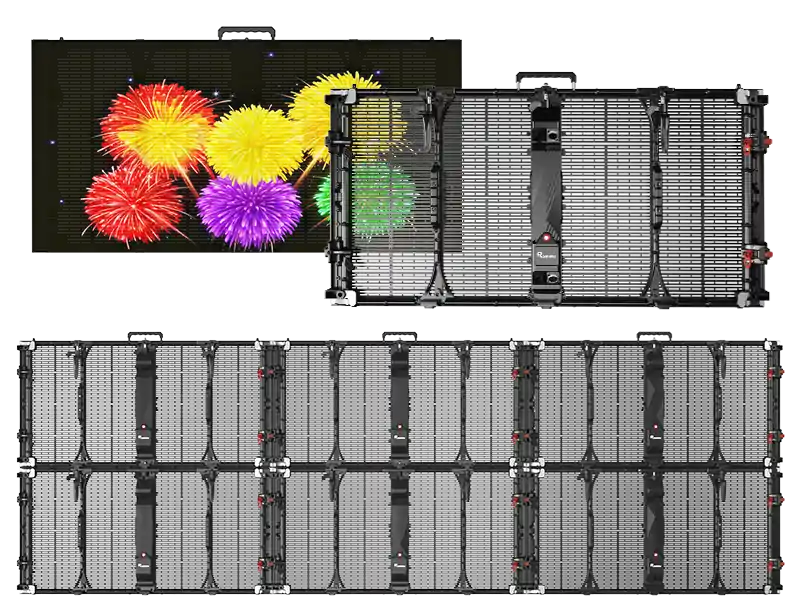
Transparent/Creative | Various | Retail displays, artistic installations | High transparency allows for see-through effects |
Beyond the screen itself, the company you choose matters. A lot. The best rental companies don't just drop off a pile of equipment. They provide the full package: delivery, a technician to handle setup and teardown, and on-site support throughout the event to troubleshoot any issues . This is crucial. You don't want to be fumbling with cables and software when you should be hosting guests. When you're talking to a rental provider, ask about the control system. Top brands like Nova or Linsn are often mentioned for reliable performance . Also, make sure they can integrate seamlessly with your existing audio-visual setup—the screen shouldn't feel like an alien spaceship landed in the middle of your event.
I feel like a big question people have but are afraid to ask is, "What if something goes wrong?" This is where the rental contract becomes your best friend. A proper LED screen rental contract should spell everything out clearly . It covers the basics like rental dates, costs, and payment terms, but it should also detail who is responsible for maintenance and repairs during the rental period, what happens if the equipment gets damaged (and let's be real, accidents happen), and any usage restrictions . Never skip this step. Getting the terms in writing protects both you and the rental company.
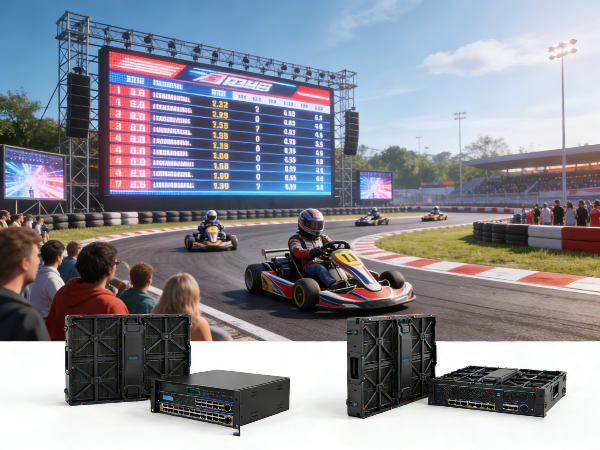
So, you've got the screen sorted. What's next? Planning the installation. This isn't just a "plug and play" affair for large events. A professional installer will usually do a site survey first to check the venue's power supply, sightlines, and ground conditions . For outdoor setups, they might need to build a custom steel frame to ensure the screen is stable and safe . And power calculation is a must—you can't run a massive LED wall on a standard outlet. These are the behind-the-scenes details that make all the difference between a smooth event and a logistical nightmare.
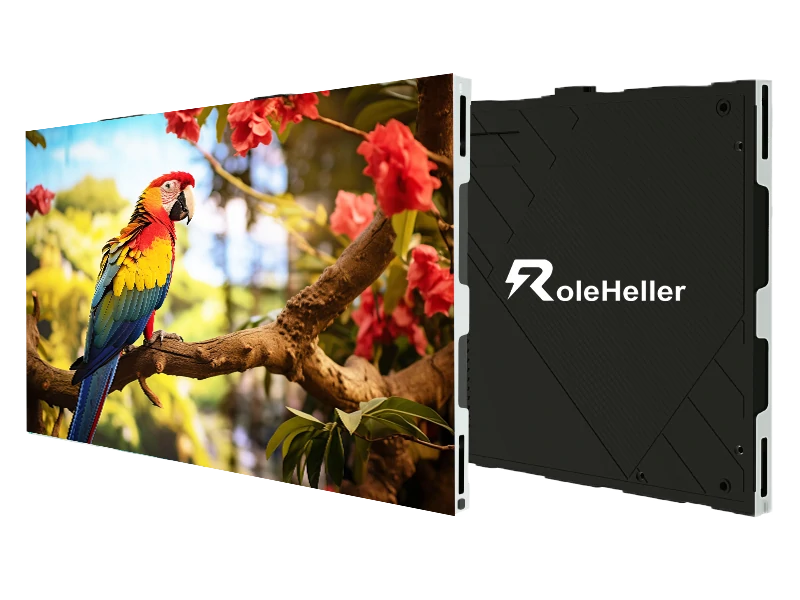
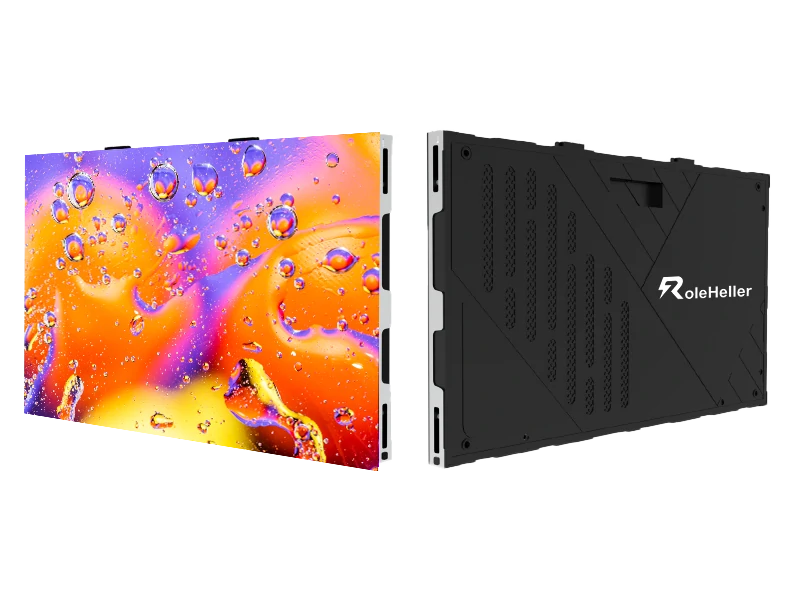
Thinking about the future, the technology keeps getting better. We're seeing screens with higher refresh rates (up to 7680Hz!) for super smooth slow-motion replays, and auto-brightness adjustment that adapts to the ambient light, saving energy . Brands like RoleHeller are even pushing creative splicing options that let you build curved screens or even 90-degree corners for truly immersive stage designs . It's an exciting time to be planning an event.
Okay, let's tackle some common questions head-on:
1. Is it easy to install a rental LED screen?
Most modern rental screens are designed for speed. With quick-lock systems and modular panels, a small crew can often set up a large display in hours, not days . But always insist on professional installation unless you're a trained expert.
2. Can I use any screen outdoors?
No. Outdoor screens require specific features, primarily a high IP rating (like IP65) for weather resistance and much higher brightness (measured in nits) to compete with the sun . An indoor screen used outdoors would look washed out and could get damaged.
3. What's included in a typical rental quote?
A good quote should cover the screen modules, the control system (processor, software), power distribution, and crucially, the services: delivery, installation, an on-site technician, and teardown . Ask for a breakdown to avoid surprise fees.
4. How far in advance should I book?
As soon as your event date is firm, especially for popular seasons like summer or holidays. Good rental companies get booked up months ahead for major events.
5. What about content? Who creates the videos and graphics?
This is often a separate service. Some rental companies offer content creation partnerships, but you might need to provide your own video files or hire a media designer. Always confirm the required video format and resolution with your rental provider beforehand.
At the end of the day, renting an LED screen in Livonia is about creating an experience. It's not just a piece of tech; it's the centerpiece of your event. By focusing on the right specs, choosing a reliable partner, and understanding the logistics, you can transform any gathering from ordinary to unforgettable. The key is to plan ahead, ask the right questions, and never underestimate the power of a great visual.
.jpg "P3.91 LED Video Wall Manufacturers China | Price & How to Choose")
.jpg "Where do I find programmable LED display manufacturers?")